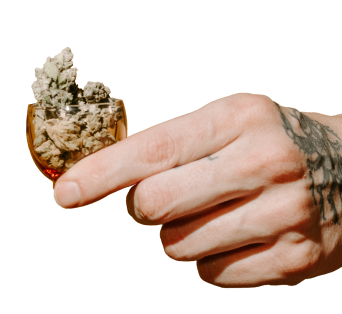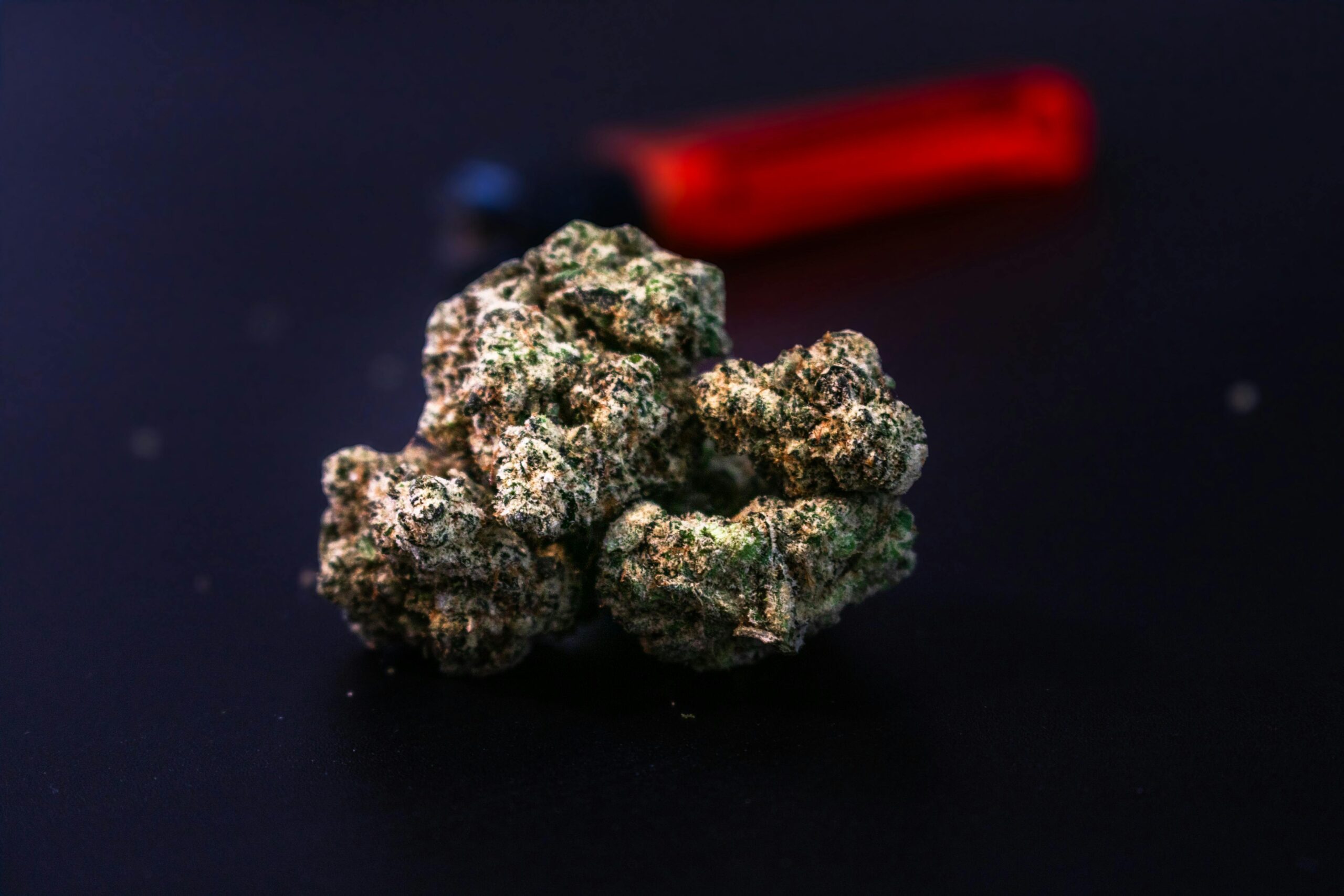
You grab two products with the same THC percentage. One hits clean and cerebral. The other has your body sinking into the couch. The label doesn’t spell out why— but the entourage effect does.
If you’ve ever felt like cannabis is unpredictable, or wondered why your experience changes from product to product even when the numbers look the same, “the entourage effect” is the concept that makes it click.
In this post, we’ll cover:
- What the entourage effect is
- Why your biology is also part of the equation
- How to use this information
What is the Entourage Effect?
Cannabis contains hundreds of active compounds: cannabinoids like THC and CBD, terpenes that give each strain its distinct aroma and flavor, and a range of minor compounds that most product labels never mention.
The entourage effect is the idea that these compounds don’t work in isolation; they work together. THC is shaped and modified by everything else in the plant. The same 22% THC can feel energizing, sedating, anxious, or euphoric depending on what’s alongside it.
In other words: THC percentage tells you potency potential. But on it’s own, it doesn’t tell you what kind of experience you’re walking into.
The Players to Pay Attention To
Terpenes
We’re often talking about terpenes (how they can help with everything from better sleep to arousal) because they’re such an important part of your cannabis experience. They’re responsible for smell and flavor, but they also interact directly with cannabinoids to shape and direct effects.
- Myrcene: earthy, musky — tends to contribute to heavier, more relaxing effects
- Limonene: citrusy, bright — often associated with uplifted, mood-enhancing experiences
- Pinene: sharp, piney — may support alertness and mental clarity
- Caryophyllene: peppery, spicy — uniquely binds to CB2 receptors, contributing to body-level and anti-inflammatory effects
- Linalool: floral, lavender — often associated with calming, stress-reducing effects
A product heavy in myrcene and linalool at 22% THC is going to feel very different from one rich in limonene and pinene at the same percentage. The number is the same, but the experience isn’t.
CBD and Minor Cannabinoids
Even small amounts of CBD can modulate THC, often smoothing out anxiety or edge that high-THC products can sometimes bring. Minor cannabinoids like CBG and CBN are also increasingly understood to contribute meaningfully to the overall effect profile, even at trace levels.
Freshness
As products age, THC gradually converts to CBN, a compound associated with heavy, sedating effects. That clearance shelf deal might technically still read 22% at time of original testing, but if it’s been sitting in a warm display case for months, the profile has shifted. Fresher products behave closer to what the label actually promises.
Why Your Biology Is Also Part of the Equation
The entourage effect happens in the product, but your endocannabinoid system is where it lands, and everyone’s is different.
Genetics, tolerance, sleep, food, hormones, and even your mood before you consume all influence how the same product hits on any given day. This is why cannabis can feel inconsistent even when you’re buying the same thing repeatedly. It’s your body responding to a complex compound in a complex environment.
How to Use This Information
Try not to optimize for the highest THC number and start reading the full picture:
- Check out the terpene lineup. At Elevate, you can find ours on menus, in our strain guide, or here.
- Note the harvest or manufacture date. Freshness matters more than most people realize.
- Pay attention to your own patterns. What you ate, how you slept, and your stress levels all factor in.
The most consistent, intentional cannabis experiences come from understanding all of it together, not just one number on a label.
Start Tracking It
The fastest way to understand your own entourage effect is to start noticing. After your next session, jot down:
- Product name + THC % + key terpenes
- Consumption method (smoke, vape, edible)
- How you felt going in (energy, mood, sleep the night before)
- The actual experience (effects, onset, duration, anything notable)
Even three or four entries will start revealing patterns. You’ll learn more about what works for you from your own notes than from any percentage on a label.